Dating after trauma is not romantic.
It’s not butterflies and excitement and hope, the way people describe it. For many survivors, dating feels like stepping into unfamiliar territory without a map — knowing you want connection, but fearing what it might cost you.
After abuse, love doesn’t feel safe.
It feels like exposure.
I remember the first time I tried to date again. Nothing was “wrong.” The person was kind. Respectful. Patient. And yet my body was tense the entire time. My mind kept scanning for danger, reading into tone, pauses, and silences. I wasn’t afraid of them — I was afraid of what closeness had meant before.
That’s the part people don’t see.
Trauma teaches you that intimacy is where harm lives.
When Your Body Reacts Before Your Mind
Dating after trauma is confusing because your logic and your nervous system are often not on the same page.
You might want connection, but panic when someone gets close.
You might crave affection, then feel suffocated by it.
You might overthink texts, tone, timing — not because you’re insecure, but because inconsistency once meant danger.
I’ve met survivors who say, “I don’t know how to date normally.” But the truth is, there is no “normal” after trauma. There is only learning what safety feels like again — slowly, imperfectly, and with a lot of self-compassion.
Trust Feels Earned, Not Given
One of the biggest shifts after abuse is how trust works.
Before trauma, trust might have been something you gave freely. After trauma, it becomes something someone earns through consistency, respect, and time. And even then, your body may still hesitate.
I used to think that made me difficult. Now I know it made me discerning.
Survivors don’t fear love — we fear losing ourselves in it. We fear ignoring red flags again. We fear gaslighting our intuition. We fear becoming small, quiet, or trapped the way we once were.
So we watch closely.
And that’s not a flaw. That’s wisdom born from experience.
Boundaries Can Feel Awkward — But They Are Healing
Dating after trauma often means learning boundaries for the first time.
Saying no without guilt.
Taking things slow without explaining yourself.
Leaving situations that don’t feel right — even if you can’t logically justify why.
At first, boundaries can feel rude. Or dramatic. Or unnecessary. But over time, they become the language of self-respect.
A survivor once told me, “I don’t need someone to save me. I need someone who won’t hurt me.”
That sentence holds so much truth.
When Kindness Feels Suspicious
This is another quiet reality survivors rarely talk about: sometimes, healthy love feels unfamiliar — even boring.
Chaos can feel exciting when it’s what you know. Peace can feel unsettling when your nervous system is used to alert mode. Some survivors find themselves pulling away from people who treat them well, not because they don’t care, but because safety feels strange.
Healing doesn’t mean forcing yourself to date before you’re ready. It means being honest about where you are — and choosing relationships that honor that truth.
What Dating After Trauma Really Requires
Dating after trauma requires patience — from others, but especially from yourself.
It requires unlearning survival habits that once kept you alive.
It requires choosing safety over intensity.
It requires believing that love does not have to hurt to be real.
And most of all, it requires remembering that you are allowed to take your time.
An Advocacy Truth We Need to Normalize
Survivors are not “damaged goods.”
We are people who learned love through harm — and are now relearning it through safety.
If you’re dating after trauma, you are not behind.
You are not doing it wrong.
You are healing in real time.
And one day, love won’t feel like a threat.
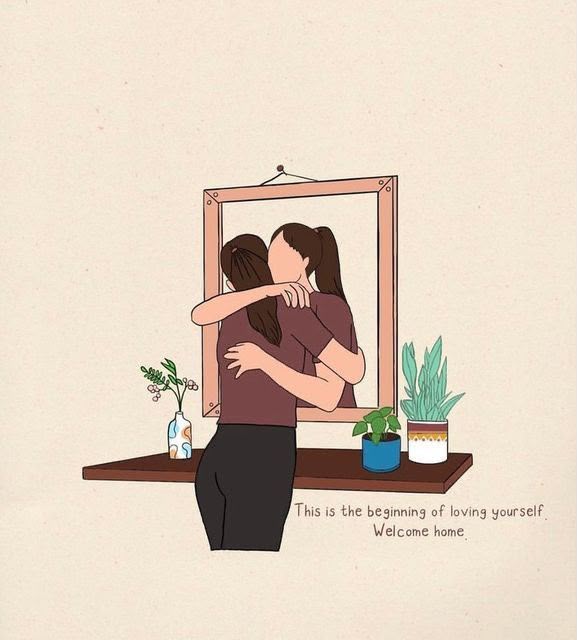
It will feel like home.