Childhood emotional neglect doesn’t leave bruises.
It doesn’t come with dramatic stories or visible scars.
And that’s why it often goes unnoticed — even by the ones who lived through it.
I grew up being screamed at and also being hit. Still, I was fed. I was clothed. I went to school. From the outside, everything looked fine. But inside, something essential was missing.
No one asked how I felt.
No one noticed when I withdrew.
No one taught me how to name my emotions, sit with them, or express them safely.
I learned early that my feelings were inconvenient — something to manage quietly, alone.
What Emotional Neglect Really Looks Like
Emotional neglect isn’t about what happened.
It’s about what didn’t happen.
It’s the absence of comfort when you were overwhelmed.
The silence when you needed reassurance.
The dismissal when you tried to express hurt.
I learned to self-soothe before I learned to self-understand. I learned independence too early — not because I was strong, but because there was no one to lean on.
And when you grow up like that, you don’t realize anything is wrong. You just think this is what life feels like.
The Adult You Become
Childhood emotional neglect follows you into adulthood quietly.
You struggle to ask for help — not because you don’t need it, but because needing feels unsafe.
You downplay your pain because you were taught it wasn’t important.
You feel deeply, but express sparingly.
You crave connection, yet feel uncomfortable when it arrives.
Sometimes you don’t even know what you’re feeling — just that something feels heavy, or empty, or wrong.
I spent years thinking I was emotionally “difficult,” when in reality, I was emotionally undernourished.
How It Shows Up in Relationships
Emotional neglect shapes how you love.
You may overgive, hoping someone will finally see you.
You may tolerate emotional unavailability because it feels familiar.
You may struggle to trust that your needs matter.
You may feel guilty for wanting reassurance, closeness, or care.
When love was inconsistent or absent growing up, you learn to survive without it — but surviving is not the same as living.
Grieving What You Never Had
One of the hardest parts of healing emotional neglect is grieving something invisible.
You’re not grieving abuse — you’re grieving absence.
You’re grieving the parent who couldn’t show up emotionally.
You’re grieving the child who had to grow up too soon.
You’re grieving the comfort you never received.
And that grief is valid — even if no one else understands it.
Healing Begins With Permission
Healing childhood emotional neglect starts with permission.
Permission to feel without apologizing.
Permission to have needs.
Permission to take up emotional space.
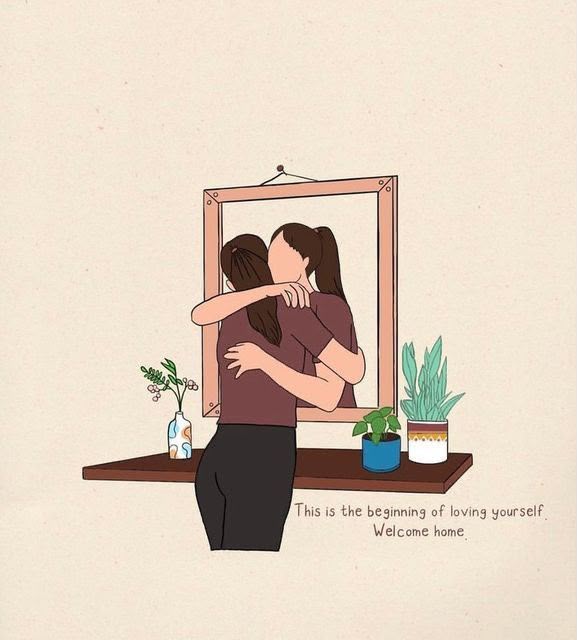
Permission to re-parent yourself with the compassion you were denied.
It means learning, slowly, that your emotions are not a burden. They are information. They are human. They are worthy of care.
A Truth I Want You to Hold
If you grew up emotionally neglected, there is nothing wrong with you.
You are not cold.
You are not needy.
You are not too sensitive.
You adapted to an environment that couldn’t meet you emotionally.
And now — you are allowed to learn a new way of living. One where your feelings matter. One where you don’t have to earn love by disappearing.
Healing doesn’t mean blaming the past.
It means choosing yourself in the present.
And that, in itself, is an act of deep courage.