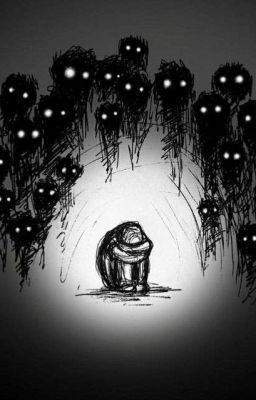
For a long time, I thought I was just “bad at relationships.”
Too sensitive. Too distant. Too intense. Too guarded. Too much — or not enough.
But healing taught me something I wish I had known earlier: many survivors don’t struggle with love — we struggle with safety.
When you grow up in environments where trust was broken, where boundaries were crossed, or where love came with fear, your nervous system learns a very specific lesson: connection is dangerous. And that lesson doesn’t disappear just because we grow older.
It follows us into friendships.
Into relationships.
Into the way we attach, detach, cling, pull away, or disappear.
Attachment Isn’t About Neediness — It’s About Survival
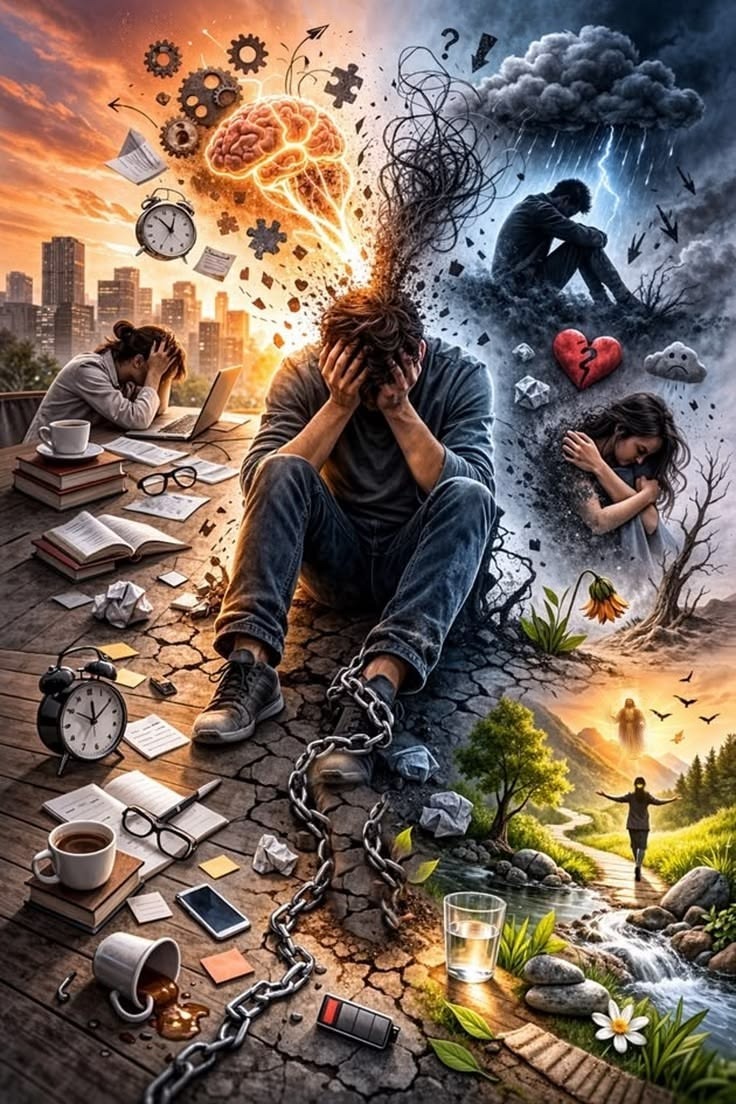
Trauma doesn’t just live in memories. It lives in how our bodies respond to closeness.
Some survivors become hyper-attached. We love deeply, fast, and hard — not because we are desperate, but because connection once meant survival. We fear abandonment even when no one has threatened to leave. Silence feels like rejection. Distance feels like danger. We over-explain, over-give, over-try, hoping love will finally stay.
Others go the opposite direction. We keep walls so high that no one can climb them. We crave intimacy but panic when it arrives. We shut down when people get close. We leave first — not because we don’t care, but because leaving feels safer than being left.
And then there are those of us who live in between — wanting connection one moment and pushing it away the next, confusing ourselves and everyone around us.
None of this means we are broken.
It means our nervous systems have adapted to survive.
Friendships Can Be Just as Hard
People rarely talk about how trauma affects friendships.
Survivors often struggle with trust — not because we want to be suspicious, but because we’ve learned that betrayal can come from anyone. We may test people unconsciously. We may struggle to ask for help. We may disappear when things get hard, not knowing how to explain what we’re feeling.
Sometimes we tolerate unhealthy friendships because chaos feels familiar. Other times, we isolate completely because peace feels unfamiliar.
And when friendships end — even gently — it can reopen old wounds that have nothing to do with the present moment.
Why Relationships Feel So Heavy
For survivors, relationships aren’t just about connection. They’re about re-learning safety.
We may struggle with boundaries — either having none or building walls too rigid to bend. We may confuse attention with care. We may feel responsible for other people’s emotions. We may equate being chosen with being worthy.
And when things go wrong, we don’t just feel hurt — we feel activated, pulled back into old fears we can’t always name.
That’s the part people don’t see.
Healing Attachment Is a Process, Not a Switch
Healing doesn’t mean suddenly becoming fearless in relationships. It means becoming aware.
It means learning to pause instead of panicking.
To communicate instead of assume.
To sit with discomfort instead of running from it.
To choose people who feel safe, not just familiar.
It means understanding that healthy love is consistent, not chaotic. That friendship doesn’t require self-abandonment. That closeness doesn’t have to cost you your peace.
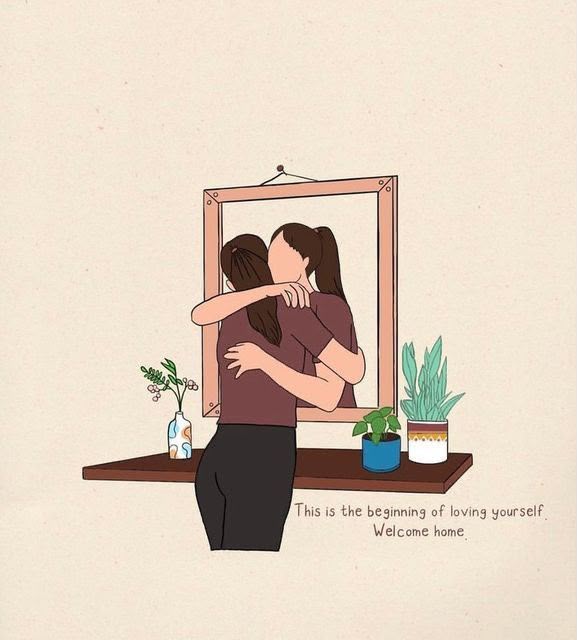
And most importantly, it means offering yourself the compassion you were never given.
An Advocacy Truth We Need to Normalize
Survivors are not “too much.”
We are carrying too much.
Attachment struggles are not character flaws — they are trauma responses. And healing them requires patience, support, and environments that feel emotionally safe.
If you’re a survivor reading this, know this:
You are not failing at relationships.
You are learning how to feel safe in them.
And that is brave work.