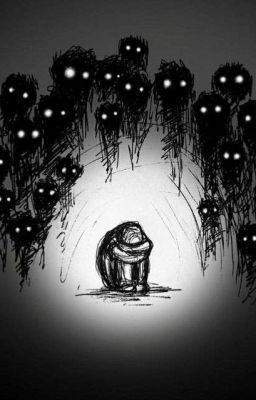
Leaving your abuser doesn’t feel like freedom at first.
It feels like standing in the middle of a field after a fire has burned everything you once knew.
People think escape is the happy ending.
But for survivors, it is the beginning of a much harder chapter.
When I left, I didn’t step into peace — I stepped into grief. Grief for the years I lost. Grief for the version of myself that never got to grow safely. Grief for the person I thought my abuser was. Even grief for the home I fled, because trauma bonds do not break just because you walk away.
Freedom is quiet.
And sometimes that quiet is terrifying.
The First Shock: Realizing You Were Living in Survival
One of the strangest things after leaving is realizing just how much of your life was built around staying safe.
You no longer have to watch your tone.
You no longer have to calculate your words.
You no longer have to shrink to avoid punishment.
But your body doesn’t know that yet.
A woman I once spoke to told me that even after she moved to a different city, she still flinched when she heard footsteps behind her. Another survivor said she slept with the lights on for months, not because she was afraid of the dark — but because darkness had once meant danger.
Trauma does not end when the abuse ends.
It lingers in the nervous system.
When You Miss the Person Who Hurt You
This is the part nobody likes to admit.
You can hate what someone did to you and still miss them.
I’ve heard survivors whisper, “Why do I still think about them?” as if it makes them weak. It doesn’t. It makes them human. Trauma bonds are powerful. When love and pain are mixed, the brain learns to associate harm with attachment.
One survivor told me she cried harder after leaving her abuser than she ever did while being abused. Not because she wanted the harm back — but because she was mourning the illusion of love she had been surviving on.
That grief is real.
And it deserves compassion.
Rebuilding a Self You Never Got to Be
After escape, you are not who you were before the abuse.
But you are also not who you were while surviving it.
You are someone new — someone trying to figure out what safety feels like.
Some survivors don’t know what they like. Others don’t know how to say no. Some feel uncomfortable when people are kind to them. Others sabotage good things because chaos feels more familiar than peace.
A survivor once told me, “When someone treats me well, I panic. My body doesn’t trust it.”
That is not brokenness.
That is a nervous system learning something new.
Learning to Live Without Fear
The hardest part of healing is realizing that danger is no longer in the room — even when your body still acts like it is.
You may check doors twice.
You may struggle with intimacy.
You may feel unsafe in calm.
But slowly, gently, something begins to shift.
You start to breathe deeper.
You start to sleep longer.
You start to feel moments of joy without guilt.
You start to realize: I am not trapped anymore.
What Survivors Really Need After Escape
Survivors don’t need to be told to “move on.”
They need to be allowed to heal.
They need therapy, yes — but also community.
They need safety, but also understanding.
They need to tell their story without being rushed, doubted, or silenced.
Most of all, they need to know that their life did not end when the abuse ended — it finally began.
A Truth I Want Every Survivor to Hear
If you have escaped your abuser, you are not weak for struggling.
You are not dramatic for grieving.
You are not broken for still feeling.
You are rebuilding after something tried to destroy you.
And that is one of the bravest things a human being can do.