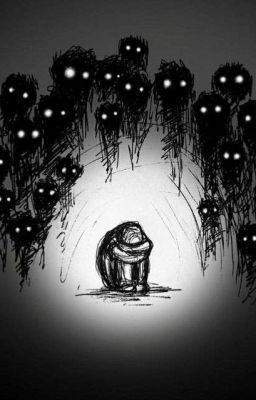
Domestic violence is often spoken about in quiet tones.
Hidden behind phrases like “they are having problems” or “it’s just a family matter.”
But let’s call it what it is.
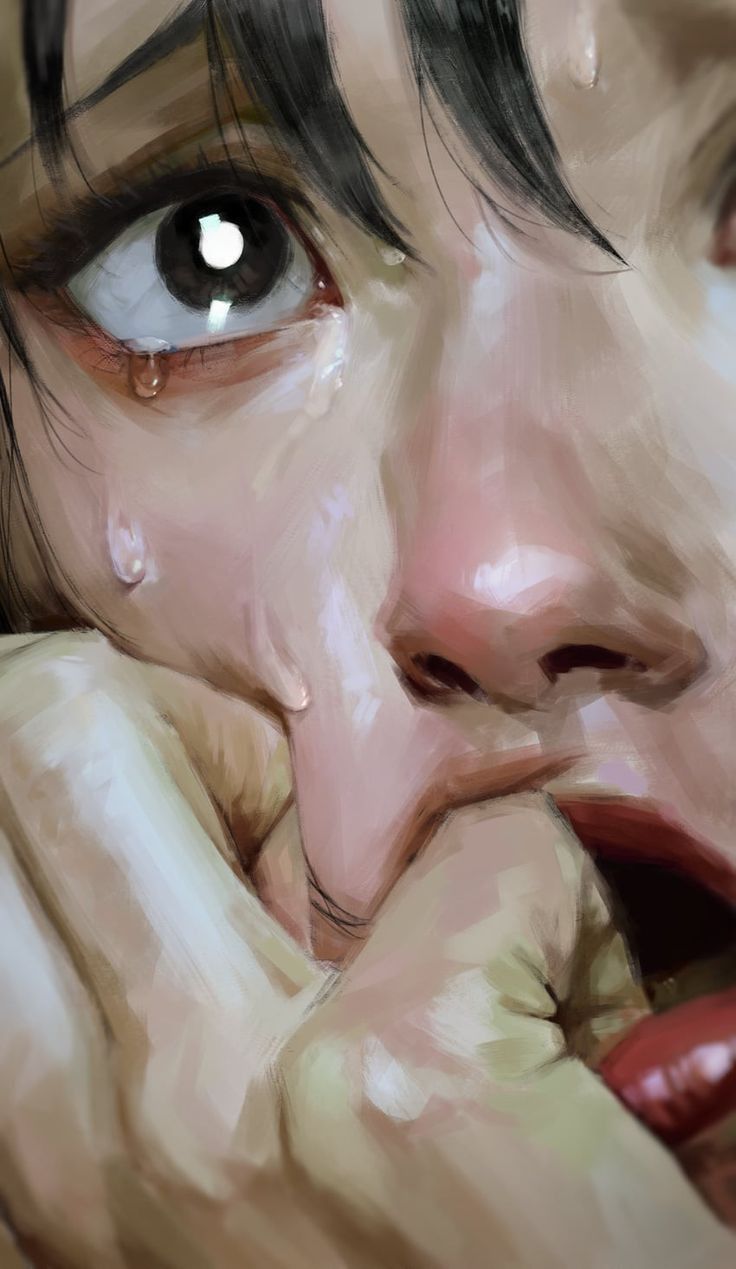
When someone you love hits you, slaps you, pushes you, chokes you, throws objects at you, or uses their body to intimidate you, that is not conflict. That is physical abuse.
And physical abuse is never an accident. It is a choice.
Physical Abuse Does Not Start With the First Hit
Many people imagine domestic violence as something that begins suddenly with violence. But often, the physical harm comes after a pattern has already been established.
It often starts with:
- controlling what you wear
- controlling who you talk to
- constant criticism
- jealousy disguised as love
- monitoring your phone
- verbal humiliation
- threats
By the time the first slap happens, the emotional foundation of control is already in place.
And when it happens, survivors often say the same thing:
“I didn’t see it coming like this.”
The Moment Everything Changes
Many survivors remember the first time physical violence happened very clearly. Not just because of the pain, but because of the realization: The person who was supposed to protect me is the one hurting me.
And what often follows is confusion:
- Shock: Did that really just happen?
- Minimizing: Maybe I pushed them too far.
- Hope: Maybe it will never happen again.
Abusers often apologize after violence. They may cry, promise change, blame stress, blame alcohol, blame work, blame anger.
This creates what experts call the cycle of abuse:
- Tension building
- Violence
- Apology/honeymoon phase
- Calm
- Then it repeats
And each cycle often becomes more dangerous.
Why Physical Abuse Is About Power, Not Anger
A common myth is that abusers just have “anger issues.”
But many abusers:
- Do not hit their bosses
- Do not hit their friends
- Do not hit strangers in public
They choose where to release violence.
This shows something important:
Physical abuse is not about losing control.
It is about exercising control.
It is about power. Fear. Dominance. Ownership.
And love cannot exist where fear is required to maintain the relationship.
The Hidden Injuries No One Sees
Physical abuse leaves bruises, cuts, and scars.
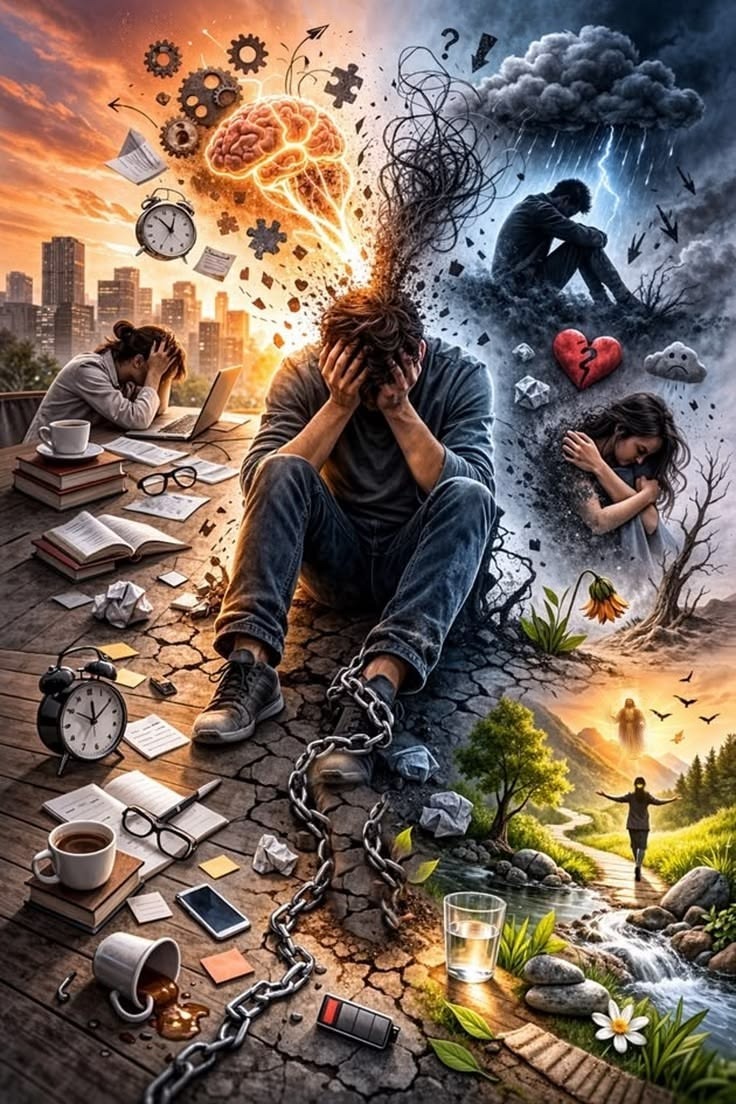
But it also leaves invisible wounds:
- anxiety
- hypervigilance
- loss of self-worth
- depression
- fear of speaking
- emotional numbness
Some survivors say the emotional damage lasted longer than the physical injuries. Because bruises heal.
But the memory of being unsafe in your own home can take much longer.
Why Many Victims Hide Physical Abuse
People often ask: “Why didn’t anyone know?”
Because survivors become experts at hiding:
- wearing long sleeves
- using makeup to cover injuries
- avoiding social gatherings
- creating excuses
- smiling through pain
Not because they are dishonest.
Because they are protecting themselves from more harm, more questions, more shame, or retaliation.
Domestic Violence Thrives Where Silence Lives
Physical abuse continues where:
- communities normalize violence
- victims are blamed
- Reports are ignored
- families protect reputations instead of people
- Justice moves too slowly
- survivors are told to endure
Silence does not protect families.
Silence protects violence.
What We Must Start Saying Instead
Instead of asking:
“What did you do?”
We must say:
- You did not deserve that.
- Violence is never justified.
- You are not alone.
- Help exists.
- Your safety matters.
Because sometimes the difference between someone staying trapped and someone seeking help is just one person who believes them.
A Message From Mosaic Unveiled
At Mosaic Unveiled, we say this clearly:
Domestic violence is not discipline.
It is not love.
It is not culture.
It is not marriage problems.
It is violence.
And violence must be confronted in homes, in communities, in systems, and in conversations.
To Anyone Living With Physical Abuse
If you are reading this and recognizing your situation:
What is happening to you is not normal.
What is happening to you is not your fault.
What is happening to you is not love.
You deserve safety.
You deserve dignity.
You deserve a life without fear.
And even if your voice is still shaking, your story still matters.