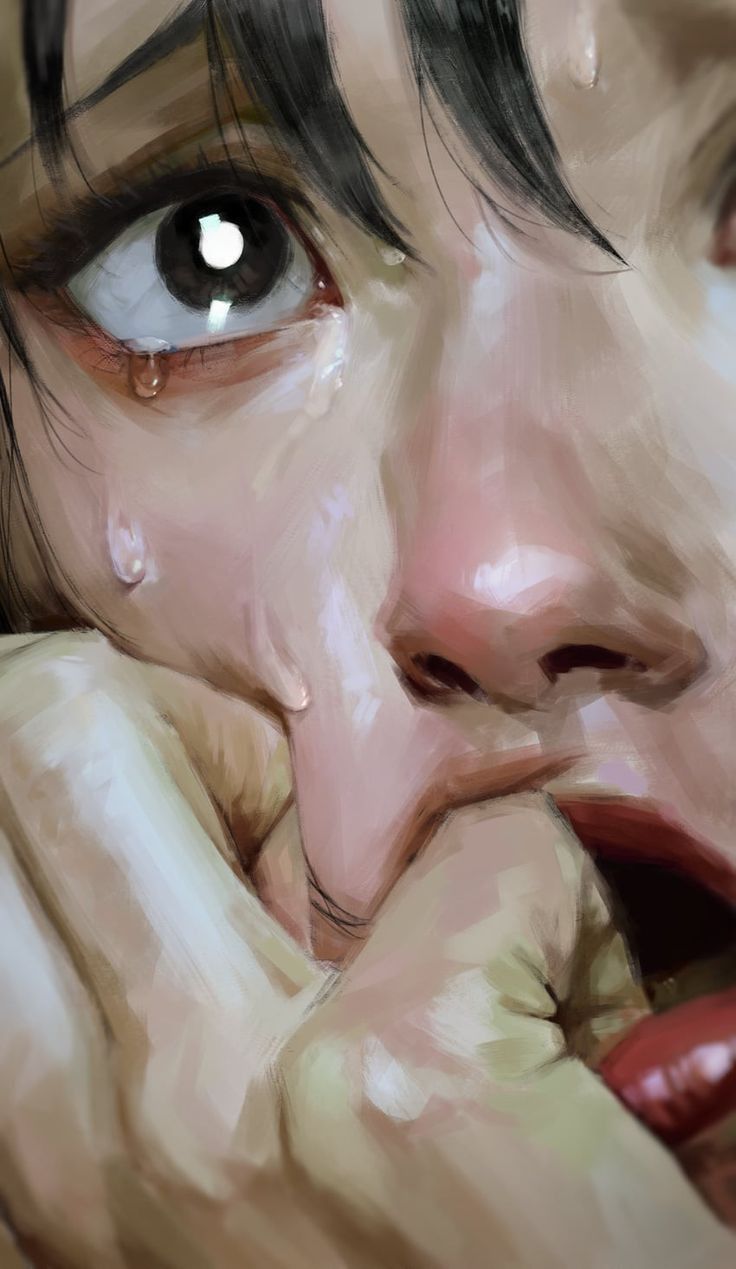
“Why am I reacting like this… over something so small?”
It’s a question many people carry quietly, often with a layer of shame attached to it.
A tone of voice changes.
Someone pulls away slightly.
A conversation feels tense.
And suddenly, your chest tightens. Your thoughts race. Your emotions feel bigger than the moment in front of you.
This is what trauma triggers can feel like.
And no, there is nothing “wrong” with you.
What Is a Trauma Trigger?
A trauma trigger is anything big or small that reminds your mind or body of a past painful experience.
It’s not always obvious. Sometimes it’s subtle.
It could be:
- Being ignored or not responded to
- Conflict, even when it’s calm
- Feeling misunderstood
- Sudden changes in someone’s behavior
- Silence that feels like rejection
What makes it a trigger is not the situation itself; it’s what your body remembers.
Because trauma doesn’t just live in memory.
It lives in the nervous system.
Why Your Reactions Feel So Intense
When you’re triggered, your brain isn’t calmly analyzing the present moment.
It’s trying to protect you.
Your body reacts as if the past is happening again, even when you are safe.
That’s why you might:
- Overthink everything that was said
- Feel the urge to withdraw or shut down
- Become defensive or emotional quickly
- Struggle to calm yourself down
Your reaction may feel “too much” for the situation, but it makes sense for what you’ve been through.
The Part No One Talks About: The Shame
Many people don’t just struggle with the trigger itself.
They struggle with what comes after.
- “I’m too sensitive.”
- “I’m overreacting.”
- “Why can’t I just be normal?”
So instead of understanding what’s happening, they silence themselves.
But triggers are not a sign of weakness.
They are a sign that something inside you still needs care.
Learning to Pause Instead of React
Healing doesn’t mean you’ll never get triggered.
It means learning what to do when it happens.
Try this gently:
- Name it: “This feels like a trigger.”
- Ground yourself: focus on your breath, your surroundings, something real and present.
- Create space: you don’t have to respond immediately
- Get curious: what does this remind me of?
This isn’t about fixing yourself in the moment.
It’s about not abandoning yourself when you need support the most.
You Are Not “Too Much”
If you’ve been feeling triggered lately, it doesn’t mean you’re going backwards.
Sometimes it means:
- You’re becoming more aware
- You’re encountering situations that touch old wounds
- Or your body finally feels safe enough to process what it couldn’t before
Growth doesn’t always feel peaceful.
Sometimes it feels like everything is being stirred up at once.
A Gentle Reminder
You are allowed to take your time.
You are allowed to feel deeply.
And you are allowed to learn yourself without rushing, without judgment.
Because healing is not about becoming someone who never reacts.
It’s about becoming someone who understands why they do… and responds with compassion instead of shame.
Call to Reflection
The next time you feel overwhelmed, instead of asking:
“What’s wrong with me?”
Try asking:
“What is this moment reminding me of?”
The answer might not come immediately.
But the question itself is a step toward healing.