June marks Men’s Mental Health Month, a time dedicated to raising awareness about the emotional and psychological wellbeing of men. Yet beyond statistics and campaigns lies a deeper question: Why do so many men suffer in silence?
The answer often lies not in men’s inability to express emotions, but in the stereotypes and cultural expectations that have shaped generations of boys and men.
The Weight of “Man Up”
From an early age, many boys are taught lessons that seem harmless on the surface:
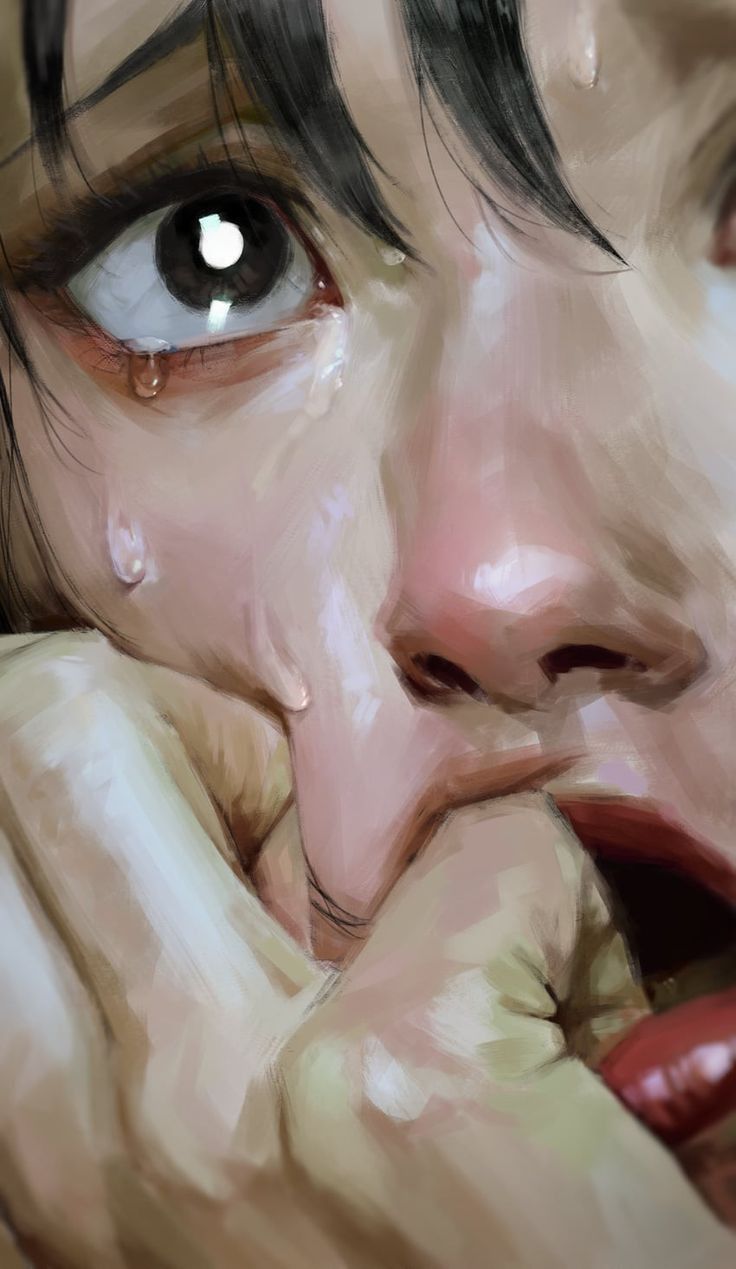
“Boys don’t cry.”
“Be strong.”
“Man up.”
“Handle it yourself.”
These phrases are so deeply embedded in society that they are often accepted without question. However, over time, they send a powerful message that emotions are weaknesses, vulnerability is shameful, and asking for help is a sign of failure.
As a result, many men learn to suppress sadness, hide fear, and carry pain alone.
The world applauds men for being providers and protectors, but often forgets that those same men are human beings who experience grief, disappointment, loneliness, anxiety, and trauma.
Cultural Expectations and Masculinity
Across many cultures, masculinity has traditionally been associated with strength, resilience, independence, and emotional control. While these qualities can be admirable, problems arise when they become rigid expectations rather than healthy characteristics.
When masculinity is defined solely by toughness and self-sufficiency, men may feel pressure to:
- Avoid expressing emotions.
- Suffer silently through personal struggles.
- Carry financial and family burdens alone.
- Hide experiences of trauma, abuse, or depression.
- Believe they must always appear strong.
These expectations can create an invisible prison where vulnerability becomes dangerous and emotional honesty feels impossible.
Silence Has Consequences
Mental health challenges do not discriminate.
Depression, anxiety, grief, trauma, stress, and burnout affect men just as they affect women. Yet many men delay seeking help because they fear judgment, rejection, or being perceived as weak.
Some turn to work, isolation, anger, or unhealthy coping mechanisms to manage emotional pain.
Unfortunately, silence rarely heals wounds. It often deepens them.
When emotional struggles remain hidden, relationships suffer, families feel the impact, and communities lose opportunities to support those who are hurting.
Redefining Strength
Perhaps it is time to rethink what strength truly means.
Strength is not pretending everything is okay.
Strength is not carrying impossible burdens alone.
Strength is not suppressing tears.
True strength is found in honesty.
It is found in saying:
“I’m overwhelmed.”
“I need support.”
“I’m struggling.”
“I don’t have all the answers.”
Seeking help does not diminish masculinity. It demonstrates courage.
Healing requires vulnerability, and vulnerability is not weakness it is humanity.
Creating Spaces Where Men Can Be Human
Supporting men’s mental health is not about replacing one gender’s struggles with another’s. It is about recognizing that emotional wellbeing is a human need.
We need families that teach boys emotional literacy.
We need workplaces that encourage mental wellness.
We need communities where men are free to express pain without shame.
We need conversations that replace judgment with compassion.
And perhaps most importantly, we need to remind men that they do not have to earn the right to be supported.
A Call to Compassion
Men are often praised for what they provide, what they protect, and what they achieve.
But their value extends far beyond performance.
Behind every title, every responsibility, and every expectation is a human being deserving of care, empathy, and understanding.
This Men’s Mental Health Month, may we challenge the stereotypes that equate silence with strength.
May we raise boys who know that tears are not weakness.
May we create communities where men can speak openly without fear.
And may we remember that healing begins when people are given permission to be fully human.
Because strength was never meant to be silence.
Reflection
“The strongest men are not those who never break, but those who find the courage to heal, speak, and begin again.”